Introduction to the Oil and Gas Industry: Sectors, Careers & Global Importance
Introduction to the Oil and Gas Industry: Sectors, Careers & Global Importance
November 28, 2025
Introduction to Oil and Gas
The Oil and Gas industry stands as one of the most crucial pillars of the global economy. Despite the rapid growth of renewable energy, oil and gas continue to serve as the primary sources of fuel and industrial development. They power our homes, factories, vehicles, and cities—making them indispensable to modern life.
For students seeking a career in energy, engineering, or environmental studies, understanding the scope and significance of this industry is essential. At SR Institute, we aim to educate future professionals who can thrive in this dynamic and evolving global sector.
Why the Oil and Gas Industry Matters
Oil and natural gas are at the heart of the world’s energy system. They play a critical role in:
- Driving economic growth by powering industries and transportation.
- Creating millions of jobs across exploration, engineering, refining, logistics, and management.
- Enabling innovation through advanced technologies like digital drilling and smart refinery systems.
As one of the largest contributors to global GDP, the oil and gas sector truly represents the powerhouse of the world economy. As part of our commitment to providing students with accurate, industry-relevant knowledge, we encourage learners to stay updated with global energy trends. One of the most trusted sources for real-time data and analysis is the International Energy Agency (IEA). Students can explore the latest global oil market trends, demand forecasts, and industry insights through the IEA’s official Oil Market Report.
The Three Core Segments
1. Upstream: Exploration and Production
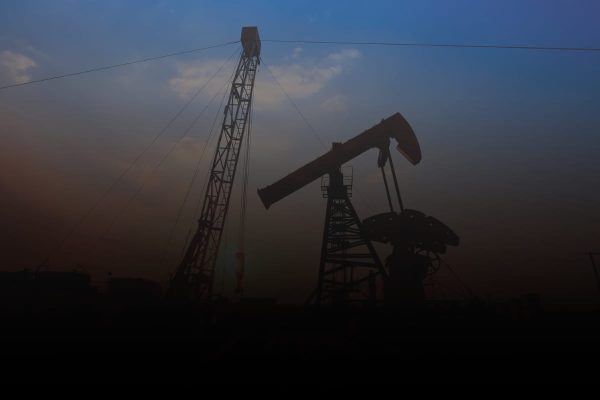
The upstream sector focuses on finding and extracting oil and gas from beneath the earth’s surface.
It involves:
- Geological and seismic surveys
- Drilling and well operations
- Reservoir management
This stage requires cutting-edge technology, high investment, and precision expertise. Students studying this area learn how to analyze data, manage drilling operations, and ensure efficient production.
2. Midstream: Transportation and Storage
Once oil and gas are extracted, they must be transported to refineries. The midstream sector handles:
- Pipeline operations
- Storage facilities
- Shipping and distribution logistics
Midstream professionals ensure that crude oil and gas move safely and efficiently from extraction sites to processing plants. Careers in this field demand knowledge of pipeline design, safety management, and global transport systems.
3. Downstream: Refining and Distribution
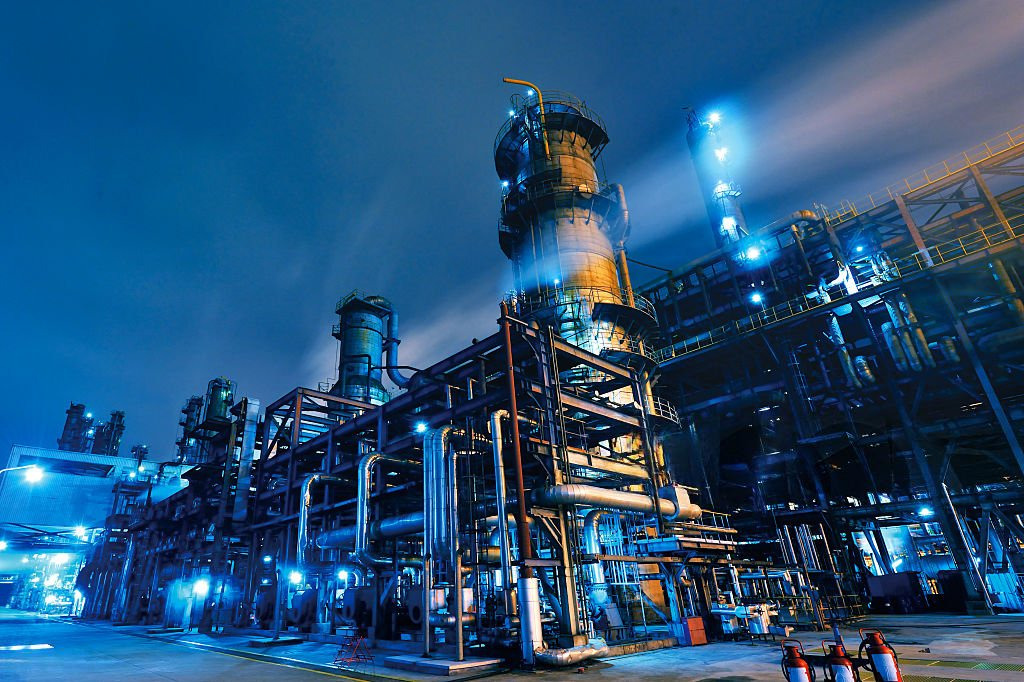
The downstream sector converts crude oil into finished products such as:
- Petrol, diesel, and jet fuel
- LPG and natural gas
- Lubricants, fertilizers, and plastics
These refined products support countless industries — including healthcare, agriculture, construction, and transportation. The downstream sector also emphasizes environmental compliance and quality assurance, ensuring all products meet international standards.
Global Uses of Oil and Gas
Oil and gas are integral to daily life and industrial development. They are used in:
- Fuel production (for vehicles, ships, and aircraft)
- Electricity generation
- Manufacturing of plastics, textiles, and chemicals
- Pharmaceuticals and medical equipment
- Agriculture (through fertilizers and pesticides)
Petroleum remains the foundation of modern civilization — and its byproducts continue to support both developed and emerging economies.
Impact on the Global and Indian Economy
Oil prices directly influence economic health worldwide.
In countries like India, changes in crude oil prices affect:
- Transportation costs
- Industrial output
- Inflation and cost of living
With India’s energy demand growing rapidly, the Oil and Gas industry remains a strategic sector for ensuring national energy security, industrial growth, and employment generation.
Future of the Oil and Gas Industry
As the world transitions to cleaner energy, the Oil and Gas sector is evolving — not disappearing.
The future will see greater focus on:
- Decarbonization and carbon capture
- Hydrogen energy and biofuels
- Digital transformation and automation
- Sustainability and environmental protection
Experts predict that while oil consumption may decline by 2050, it will still play a vital role in energy production, manufacturing, and petrochemical industries. The next generation of professionals must be prepared to balance energy demand with sustainability goals.
Educational Pathways at SR Institute
At SR Institute, we prepare students for successful careers in the energy sector through industry-relevant modules such as:
- Petroleum Exploration and Drilling Technology
- Pipeline and Midstream Operations
- Refining and Process Engineering
- Health, Safety, and Environment (HSE) Management
- Project Planning and Energy Economics
- Sustainability and Renewable Integration
Our diploma course combine technical knowledge, hands-on training, and career guidance — ensuring students are ready to meet global energy challenges with confidence.
Conclusion
The Oil and Gas industry continues to power economies, shape industries, and create vast opportunities for skilled professionals. While renewable energy is expanding, oil and gas remain the cornerstone of global progress and innovation.
For students, this industry offers not only a career but also a chance to contribute to the future of sustainable energy. Through education, innovation, and leadership, today’s learners can become tomorrow’s energy pioneers.
Posted by siteadmin
About SR Institute
SR Institute of Advanced Studies provides different job-oriented courses with 100% placement support taught by industrial experts.
Courses
Quick Links
Quick Contact
3rd Floor, 050 Tower,
Pada North, Aalumoodu Junction,
Railway Station Road, Karunagappally,
Kollam, Kerala.
+91 9526611478 | +91 9526611477
Email: info@srinstitutekerala.com

